Capabilities
Virtual Art Department and stage operations, handled by one core team.
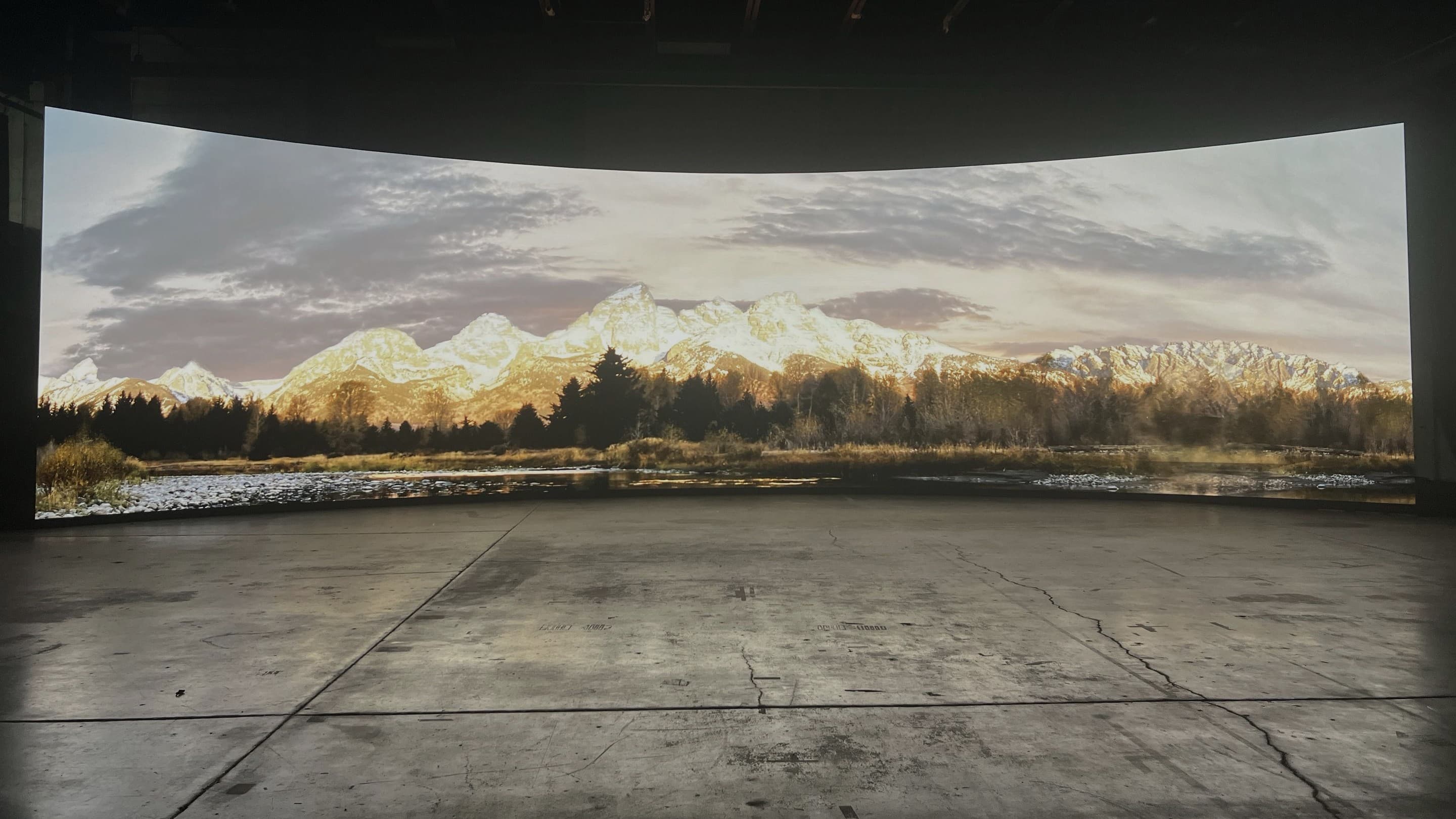
We work in two main areas: Virtual Art Department and Stage Operations. Together, they cover the work from early planning through the shoot.
The same senior team stays with both phases. That keeps the prep work connected to what actually happens on stage.
Environment work built for the LED volume from the start.
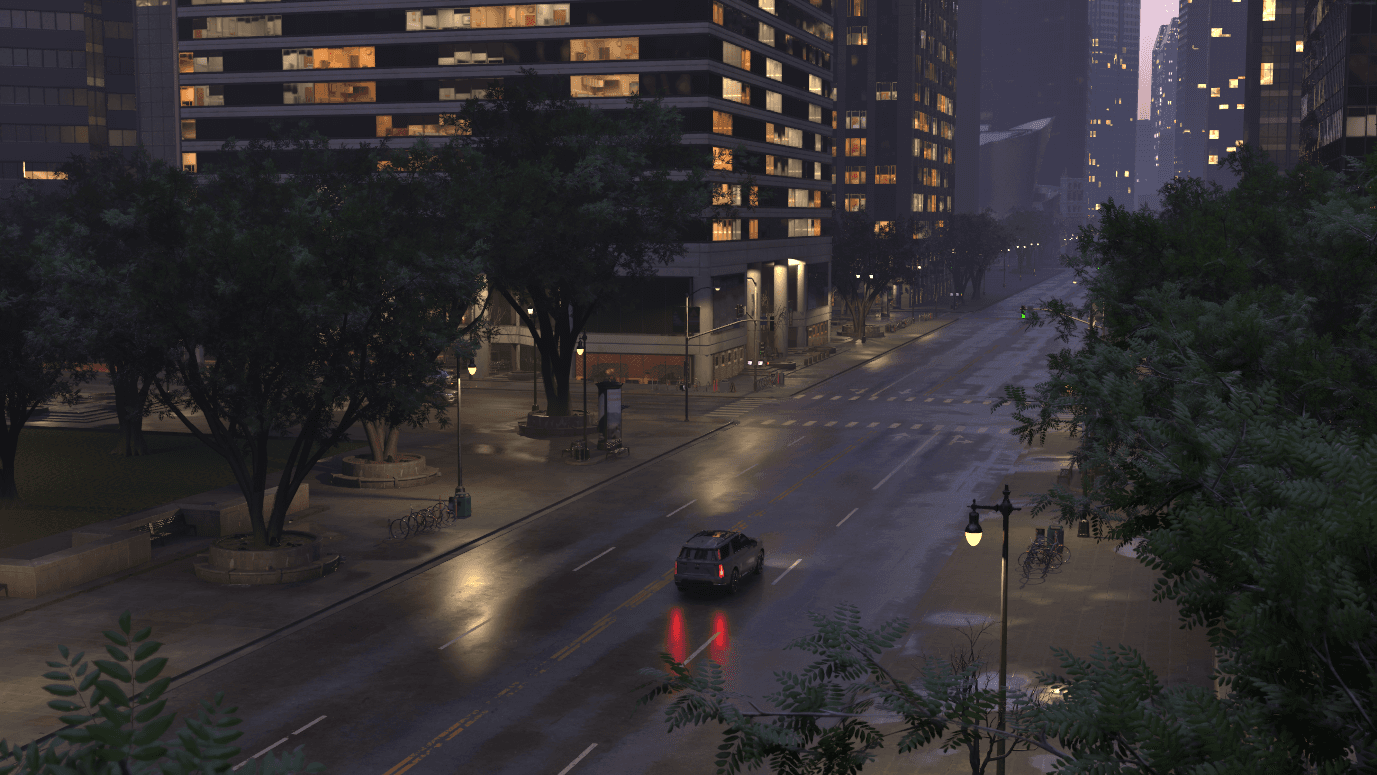
Our VAD work covers real-time environment builds, previs, techvis, and virtual set development. We mainly work in Unreal Engine 5. Tools like Nanite, Lumen, and Substrate help us build detailed environments that can run in real time on the volume.
The work has to hold up on stage, not just in review. We build for the practical limits of the engine and the LED wall so the assets are stable, efficient, and ready for production.
Environment Design
Environment builds in Unreal Engine 5 using Nanite, Lumen, and Substrate, prepared to run cleanly on the LED volume.
Virtual Scouting
Scout and review locations digitally before committing time and money to builds, travel, or stage days.
Asset Creation
Detailed assets built to hold up on the wall and inside a real-time pipeline.
Previs / Techvis
Previs and techvis to line up creative plans with the practical work before most people step foot on the stage.
Lighting
Digitaled lighting setups that can be adjusted during the shoot as the shot changes.
Optimization
Assets and environments tuned for frame rate, color pipeline, and real-time rendering budget on the volume.
The same team making content takes care of the on-set prep and stage work.
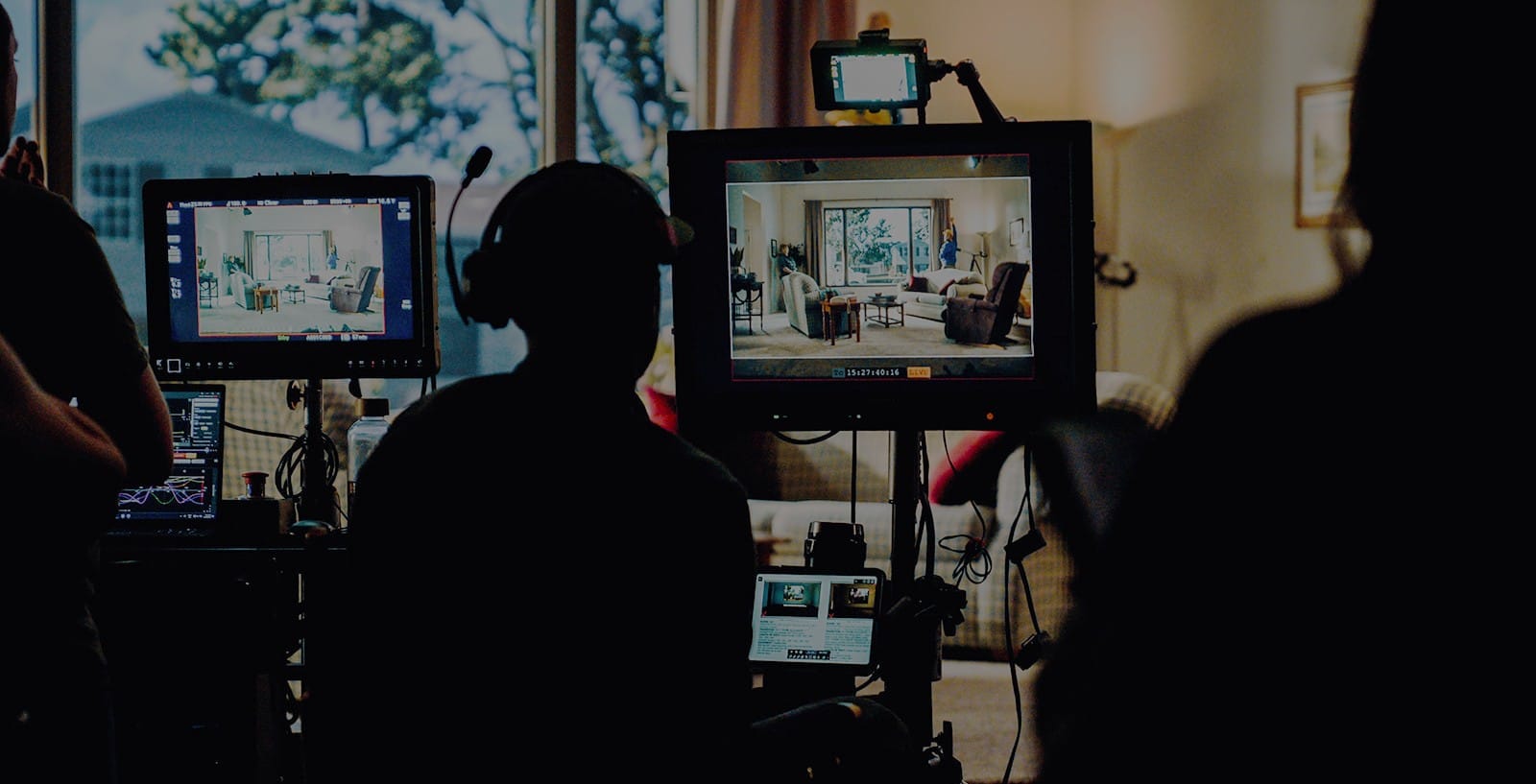
On set, we handle system bring-up, engine operation, tracking, color pipeline support, VP supervision, and live adjustments during the day. Our core stage team usually includes a VP lead, real-time or systems technicians, and on-set creative support.
This is where early planning helps. Virtual production changes how art department, post, production, camera, and G&E all work together. When that is planned early, the stage runs more normally once cameras roll.
Technical Direction
Bring the stage systems online and make sure they are stable before the first day on the stage.
Engine Management
Run the Unreal Engine scene during the shoot, monitor performance, and make fixes or changes as needed.
Tracking & Color Pipeline
Handle camera tracking and color pipeline work so the image stays accurate and consistent.
Real-time Changes
Make environment, lighting, and asset changes during the shoot when the work needs to move.
Virtual Production Supervision
Your bridge between the real and digital world, from preproduction through post.
Creative Intent
Keep the environment work aligned with what the director, production designer, and camera team need on the day.





Continuity matters more than people think.
A common problem in virtual production is the handoff. One team builds the work. Another team has to run it on stage. Context gets lost and fixes take longer.
Our model keeps the same core team on the project from design through the shoot. That usually means faster iteration, fewer surprises, and a more manageable stage day for the rest of production.
We work with directors, production designers, and producers to scope the job and decide where virtual production makes practical sense.
Start a Conversation →